
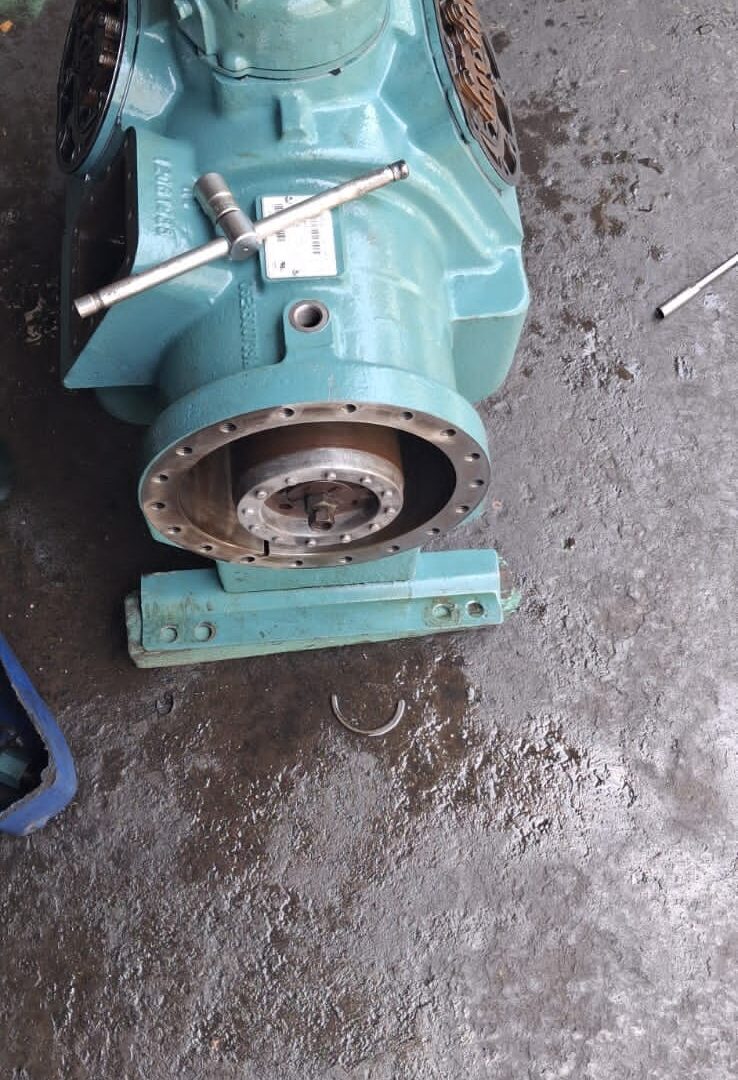
A New Compressor Can Take Three Months. We Can Rebuild Yours Sooner.
Chillex overhauls, rebuilds and supplies refrigeration and HVAC compressors across Dubai and the
UAE — semi-hermetic, open-drive, screw, scroll and reciprocating. We strip, inspect, rebuild to
OEM standard, test under load, and tell you why the original failed.
- boltFaster than a new unit — OEM lead times run into months; an overhaul doesn't
- searchRoot cause diagnosis included — a rebuilt compressor fitted into an uncorrected system will die the same way
- precision_manufacturingIn-house workshop — strip-down, machining, motor rewinding and load testing, all under one roof
Request a Callback
The Real Cost Isn't the Compressor. It's the Wait.
When a compressor fails, the quotation is rarely the shock. The lead time is.
Major failures requiring a new compressor commonly take two to four months to resolve — driven by factory lead times, and extended further by custom builds, backorders, shipping and commissioning. For a plant, a cold store or a vessel, that's not a procurement inconvenience. It's a quarter of production, spoiled stock, or a ship that can't carry what it was chartered to carry.
| New OEM compressor | Overhaul / rebuild | |
|---|---|---|
| Typical timescale | Weeks to months | Workshop turnaround |
| Root cause addressed | Only if someone looks | Always — it's part of the work |
| System modification risk | Possible — footprint, connections, controls | None — same machine |
| Cost | Highest | Lower |
An overhaul changes the timescale entirely. The machine is already on your site. The parts are the variable, not the machine.
Compressors Don't Wear Out. They Get Killed.
Genuine end-of-life failure is rare. Almost every compressor we open died from something the system was doing to it — and unless that something is found and corrected, the replacement will die the same way.
Liquid slugging and floodback
Liquid refrigerant can't be compressed. When a slug reaches the cylinders, pressures spike enormously, valve reeds break, and cylinder lubricant is washed away. It most often happens on a flooded start, but rapid operating changes — condenser fan cycling, hot gas defrost — will do it too.
Lubrication failure and oil return
Liquid refrigerant pushes oil out of the compressor and into the system, and refrigerant dissolved in oil destroys its lubricity even when the level looks correct. Poor oil return starves bearings quietly for months before anything sounds wrong.
Acid contamination after a burnout
A motor burnout leaves acid in the system. Fit a new compressor into it without a proper cleanup and the acid attacks the new windings immediately. Suction line acid-cleanup driers are temporary and must be removed within roughly 48–72 hours.
Electrical faults
Voltage imbalance, undersized conductors, loose or pitted contactors, failed overloads. These both cause the original failure and destroy the replacement — often within weeks.
Incorrect refrigerant charge
Overcharge raises condensing pressure and overcurrents the motor. Undercharge causes high superheat, high discharge temperature and oil breakdown. Both shorten life significantly.
Condenser fouling & short cycling
In this region especially — dust, sand and, on marine plant, seawater-side biofouling. Repeated starts without adequate run time mean oil never returns and the motor never cools.
Second Compressor in Two Years? That's Not Bad Luck.
A replacement compressor fitted into a system whose original fault was never corrected fails again at a rate several times higher than the first installation. The industry has a name for the contractor who keeps doing this without asking why.
Before we fit anything, we check the system that killed the last one
- Contamination, acid and moisture testing
- Evidence of liquid floodback and oil migration
- Oil condition, colour, level and return path
- Refrigerant charge, superheat and subcooling
- Metering device operation
- Condenser and evaporator condition and airflow or water flow
- Electrical supply — voltage balance, conductor sizing, contactors, overloads
- Control settings, cycling behaviour and safety operation
- Suction and discharge line design and oil return
You get the findings in writing. If we find something in your system that will kill the next compressor, you'll know before you spend the money — not eighteen months afterwards.
Overhaul, Rebuild or Replace
Overhaul
Your compressor, stripped, inspected against tolerances, rebuilt with new wear parts and returned. Lowest cost, retains your original machine, no system modification.
Best when: the unit is mechanically sound with normal wear and the failure is repairable.
Full rebuild
A deeper scope where damage is more extensive — crankshaft, bearings, valve plates, pistons, liners and motor work as needed, rebuilt to OEM standard with OEM-specification parts.
Best when: the failure was significant but the casing and major components are recoverable.
New supply
Where a unit isn't economically recoverable, or the duty has changed, we supply and install new — with the same root cause work beforehand so the new one survives.
Best when: the compressor is beyond recovery or the system requirement has changed.
We'll tell you which. The assessment says whether your unit is rebuildable and what it would take. Sometimes the honest answer is "replace it" — and we'd rather say that than take on a rebuild that won't last.
What a Proper Overhaul Involves
- 01
Pre-overhaul assessment
Operating parameters recorded where the unit still runs — pressures, temperatures, amps, vibration. Oil sampled and assessed. Baseline captured so post-overhaul performance can be compared against something real.
- 02
Removal and system inspection
Compressor removed, and the system that killed it examined — contamination, acid, moisture, oil return, charge, controls and electrical supply.
- 03
Full strip-down
Complete disassembly and cleaning. Every component inspected for wear, scoring, cracking and damage.
- 04
Measurement against tolerances
Crankshaft, bearings, bores, pistons, liners, con rods and clearances measured against OEM tolerances — not judged by eye.
- 05
Component renewal
Bearings, seals, gaskets, valve plates and reeds, piston rings — renewed to OEM specification. Shaft seals on open-drive units. Crankshaft and bore machining or renewal where required.
- 06
Motor and electrical
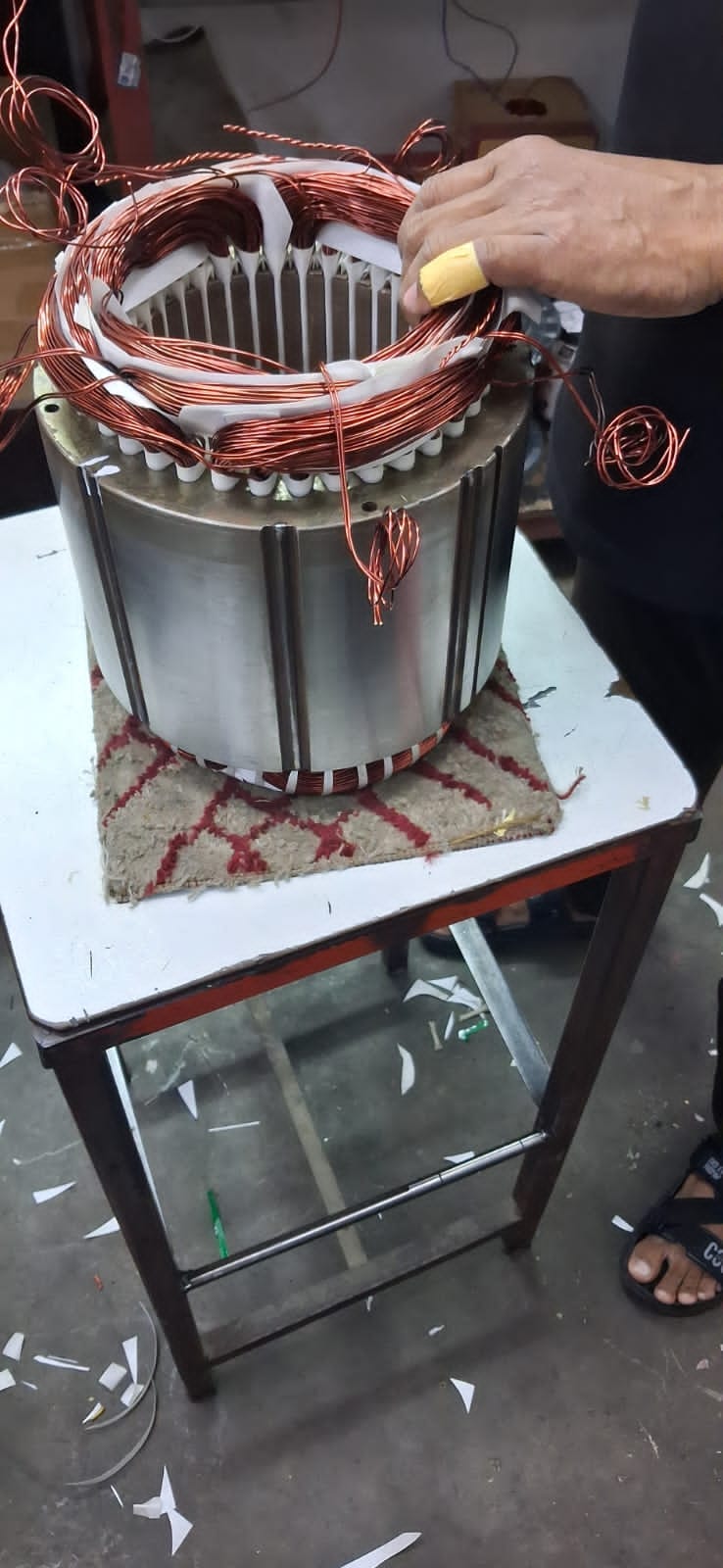
Winding condition, insulation resistance and continuity tested on semi-hermetic units. Motor rewinding carried out in-house — a burnout doesn't automatically become a new compressor and a three-month lead time.
- 07
Lubrication system
Oil pump serviced, oil galleries cleaned, filters and strainers renewed, correct oil specification confirmed for the refrigerant in use.
- 08
Reassembly and alignment
Rebuilt to OEM procedure, with torque values observed and shaft alignment set on open-drive and screw machines.
- 09
Testing before it leaves
Pressure and leak testing, run testing, and performance verification under load. A compressor doesn't leave our workshop untested.
- 10
Installation, commissioning and handover
Refitted, system cleaned and charged, controls set, run-in monitored and performance recorded. You receive a written report covering findings, work performed, parts fitted, test results — and the root cause of the original failure.

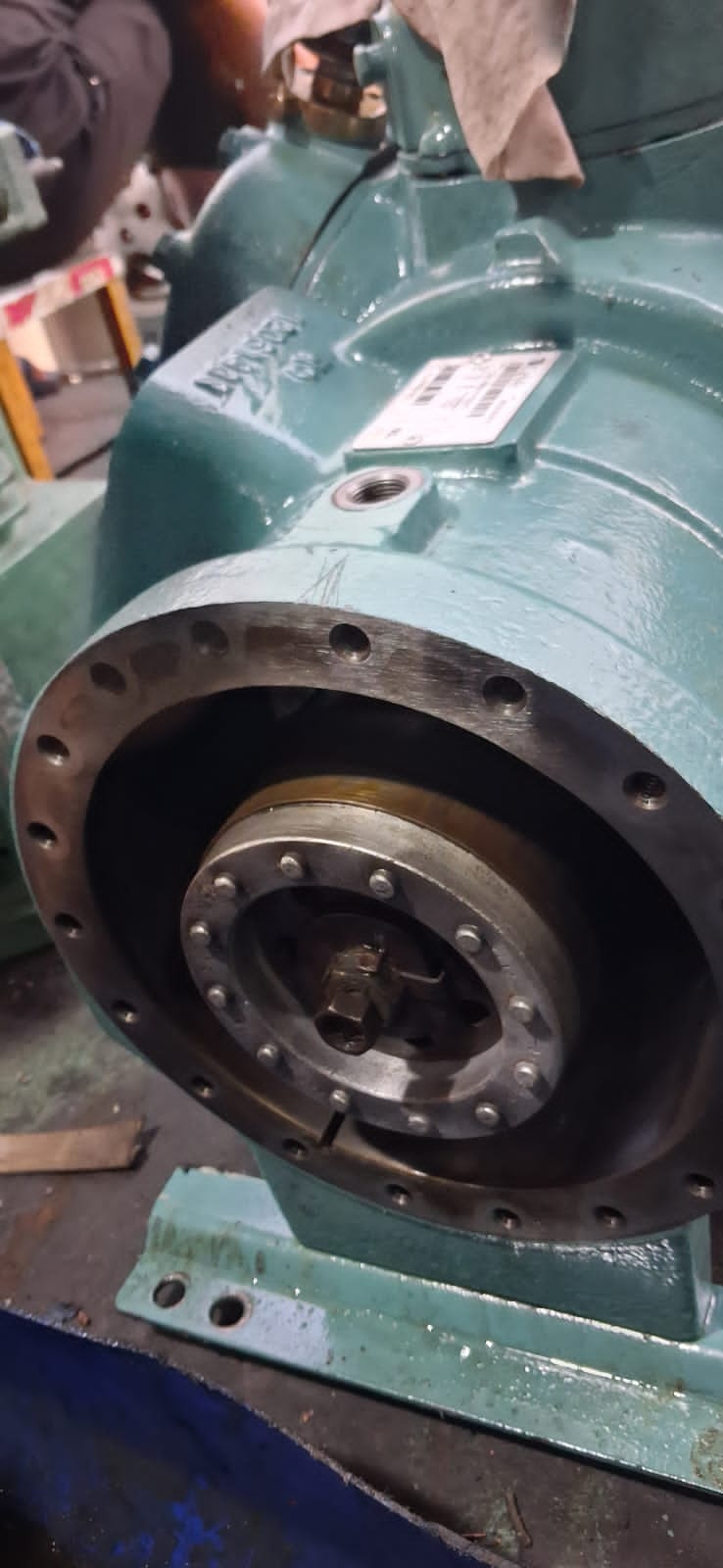
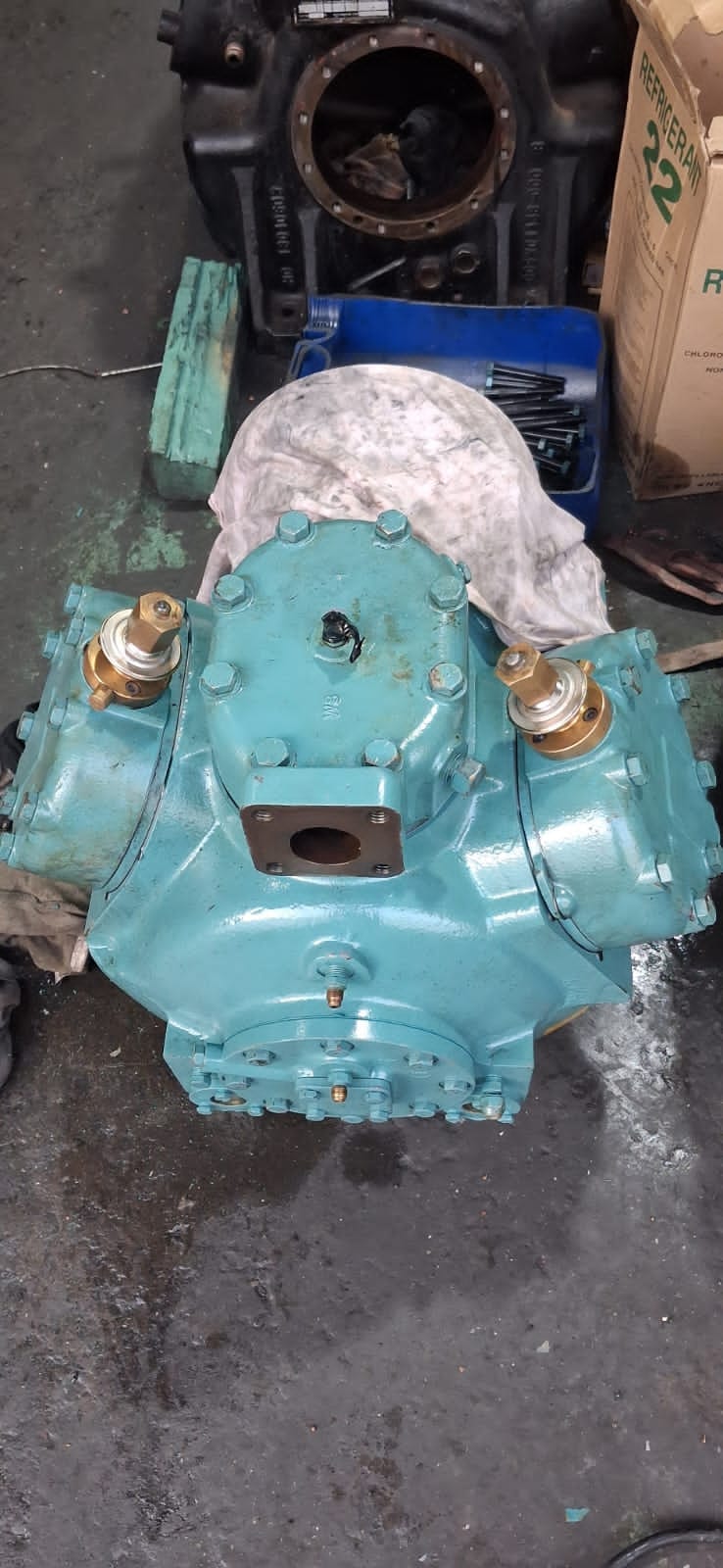
Compressors We Handle
By type
- Semi-hermetic reciprocating
- Open-drive reciprocating
- Screw — including marine and industrial packs
- Scroll
- Multi-compressor packs and rack systems
By application
- Industrial refrigeration and cold storage
- Commercial refrigeration
- Chiller plant and chilled water systems
- Blast chilling and freezing plant
- Marine and offshore provision and AC plant
- Process cooling, brine and glycol systems
By make
All major manufacturers, including Bitzer, Bock, Copeland, Sabroe, Carlyle and others.
Send the nameplate and we'll confirm parts availability the same day.
⚓ Marine & Offshore Compressor Work
Provision plant and AC compressors on vessels fail on their own schedule, and the repair window is set by the sailing date.
- Attendance alongside, at anchorage or in yard at UAE ports
- Overhaul in place where practical, or removal to our workshop
- Open-drive and semi-hermetic marine compressors
- Seawater condenser cleaning and heat exchanger work alongside the compressor scope
- Refrigerant recovery, recharge and conversion work where required
- Written reports formatted for your PMS and class file
Workshop Capacity for Other Contractors
If you're an HVAC or refrigeration contractor without in-house overhaul capability, we take trade work.
- Overhaul and rebuild to OEM standard on your customer's unit
- Assessment and rebuildability report you can pass on
- Agreed trade terms and turnaround
- Discretion as standard — we work on your account, not your client's
Why Send It to Us
Speed matters more than price here
The lead time on a new unit is the real cost. Overhaul exists to remove it.
We find the cause
Rebuilding a compressor without correcting what killed it is selling somebody a repeat failure. We check the system, in writing, every time.
Measured, not eyeballed
Tolerances checked against OEM figures. Parts to OEM specification. Torque values observed. Alignment set.
Tested before it leaves
Pressure tested, run tested, performance verified under load. Nothing goes back on site untested.
We know the systems, not just the machines
We design, install and maintain complete refrigeration and chiller plant. A compressor is a component in a system we understand end to end.
24/7
Compressors fail at inconvenient times. Our line is answered every day of the year.
Send Us the Nameplate. We'll Tell You Today.
Photograph the compressor nameplate, tell us what happened, and we'll come back with whether it's rebuildable, what it would take, how long, and what it would cost.
Free assessment. No obligation.